Introduction
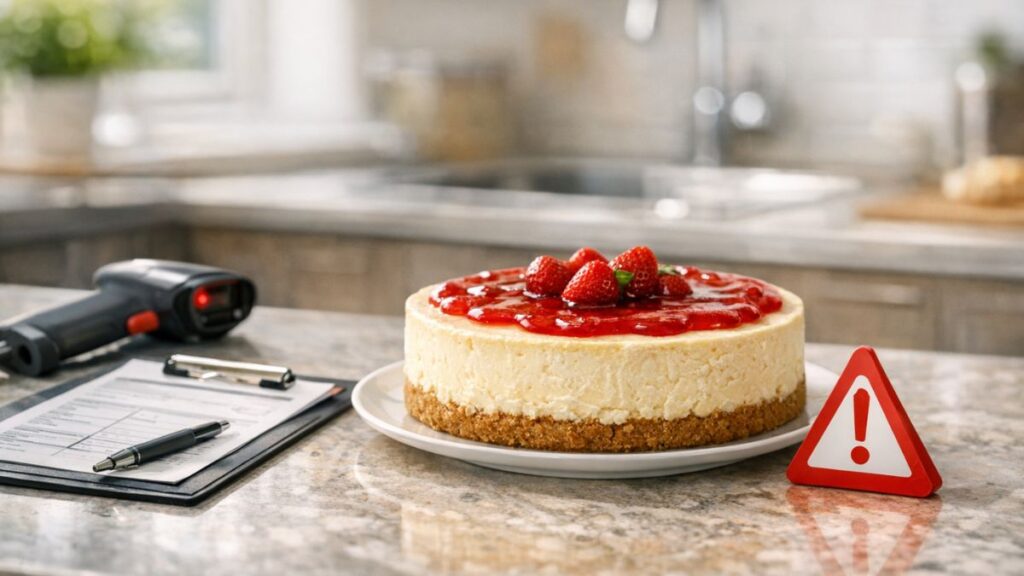
In recent weeks, the king cheesecake recall has caught the attention of many consumers and food safety experts. Product recalls in the food industry can raise concerns about health risks, quality control, and how manufacturers handle safety issues.
If you recently purchased cheesecake products from certain brands or retailers, you may be wondering whether your dessert is affected. More importantly, you might want to understand what caused the recall, how serious it is, and what steps you should take next.
Food recalls happen more often than people think. However, when they involve popular dessert items like cheesecake, the news spreads quickly. This guide breaks down everything you need to know about the recall, including safety implications, consumer actions, and how food recalls typically work.
Understanding the King Cheesecake Recall
The king cheesecake recall refers to a food safety action where specific cheesecake products were removed from stores due to potential contamination or labeling issues.
Recalls usually occur when manufacturers or regulators discover a problem that could impact consumer health. In many cases, companies voluntarily issue recalls after internal quality checks identify a concern.
Why Cheesecake Products Get Recalled
Food recalls can happen for several reasons. Some of the most common include:
-
Possible bacterial contamination (such as Listeria or Salmonella)
-
Undeclared allergens like nuts or dairy ingredients
-
Packaging errors or incorrect labels
-
Quality control failures during production
-
Cross-contamination in manufacturing facilities
While not every recall means products are dangerous, authorities act quickly to prevent potential health risks.
How Food Recalls Are Announced
Consumers typically learn about recalls through multiple channels:
-
Food safety authority announcements
-
Company press releases
-
Retail store notifications
-
News reports
-
Social media alerts
These announcements usually include product names, batch numbers, and expiration dates so consumers can identify affected items.
Unbanned G+: Complete Guide to Meaning, Access, Safety, and Online Trends
What Products Were Affected?
When a cheesecake recall occurs, it usually involves specific batches rather than an entire product line. This helps prevent unnecessary waste while still protecting consumers.
Below is a simplified overview of how recall information is typically structured.
| Product Type | Packaging Size | Possible Issue | Recommended Action |
|---|---|---|---|
| Classic Cheesecake | 8-inch cake | Labeling error | Return to store |
| Mini Cheesecake Bites | 12-pack | Possible contamination | Do not consume |
| Frozen Cheesecake Slices | 6-pack | Undeclared allergen | Request refund |
Consumers should always check:
-
Product lot number
-
Manufacturing date
-
Expiration date
-
Brand name
-
Store purchase location
If your product matches recall details, it’s best to avoid eating it until you confirm safety.
How Food Recalls Protect Consumers
Food recalls are designed to prevent illness and reduce risk quickly. Regulatory agencies work closely with food manufacturers to track products through supply chains and remove potentially unsafe items from circulation.
Steps in a Typical Food Recall
| Step | Description | Purpose |
|---|---|---|
| Detection | Safety issue identified during testing or inspection | Identify potential risk |
| Investigation | Authorities confirm the problem and determine scope | Assess severity |
| Recall Announcement | Company issues public recall notice | Inform consumers |
| Product Removal | Retailers remove affected products | Prevent consumption |
| Follow-Up | Authorities monitor compliance | Ensure safety |
These processes help protect consumers while maintaining trust in the food system.
Health Risks Associated With Contaminated Desserts
Cheesecake products contain ingredients like dairy, eggs, and cream cheese. Because of this, they can become unsafe if contamination occurs during production or storage.
Possible Symptoms From Foodborne Illness
If a contaminated dessert is consumed, symptoms may include:
-
Nausea
-
Stomach cramps
-
Fever
-
Vomiting
-
Diarrhea
Symptoms can appear anywhere from a few hours to several days after eating contaminated food.
Who Is Most Vulnerable
Certain groups face higher risks from foodborne illness:
-
Pregnant individuals
-
Elderly adults
-
Children
-
People with weakened immune systems
For these groups, even mild contamination can cause serious complications.
How to Check If Your Cheesecake Is Recalled
If you have cheesecake products in your fridge or freezer, checking them takes only a few minutes.
Quick Checklist for Consumers
-
Look at the product packaging.
-
Find the lot number or batch code.
-
Compare it with recall announcements.
-
Check the expiration date.
-
Review manufacturer or retailer notices.
Safe Actions to Take
| Situation | What You Should Do |
|---|---|
| Product matches recall details | Do not eat it |
| Unsure if product is affected | Contact retailer |
| Already consumed product | Monitor symptoms |
| Experiencing illness | Seek medical advice |
Most stores allow customers to return recalled products for a refund or replacement.
Pros and Cons of Food Recalls
While recalls can be alarming, they also demonstrate how food safety systems work to protect consumers.
Pros
-
Protects public health
-
Removes potentially dangerous products quickly
-
Encourages better manufacturing standards
-
Builds transparency between brands and consumers
Cons
-
Creates consumer confusion
-
Causes financial losses for companies
-
Leads to food waste
-
Can damage brand reputation
Despite these drawbacks, recalls remain a critical part of modern food safety systems.
Common Mistakes Consumers Make During Recalls
Many people misunderstand how recalls work. This can lead to unnecessary worry or unsafe decisions.
Here are some common mistakes:
Ignoring recall announcements
Some consumers assume the recall does not apply to them without checking details.
Throwing away safe products
If a recall only affects specific batches, other products remain safe.
Continuing to consume recalled food
Eating recalled items can increase health risks.
Not reporting illness symptoms
Foodborne illness should always be reported to healthcare professionals.
Best Practices for Food Safety at Home
Even outside of recall situations, following basic food safety habits helps reduce risk.
Smart Consumer Safety Habits
-
Always check expiration dates
-
Store desserts at proper temperatures
-
Avoid leaving dairy products at room temperature
-
Wash hands before handling food
-
Monitor recall announcements from trusted sources
Safe Cheesecake Storage Guide
| Storage Method | Temperature | Recommended Time |
|---|---|---|
| Refrigerator | 35–40°F (1–4°C) | 5–7 days |
| Freezer | 0°F (-18°C) | 1–2 months |
| Room Temperature | Not recommended | Under 2 hours |
Proper storage reduces bacterial growth and preserves flavor.
Conclusion
The king cheesecake recall highlights how important food safety monitoring is in today’s food industry. While recalls can sound alarming, they are designed to protect consumers and prevent illness before problems spread.
If you purchased cheesecake recently, take a moment to check product labels and recall announcements. Doing so helps ensure that you and your family stay safe while enjoying your favorite desserts.
Food safety ultimately depends on cooperation between manufacturers, regulators, retailers, and consumers. By staying informed and following basic precautions, you can reduce risk and make smarter choices when buying and storing food.
FAQs
What is the king cheesecake recall?
It refers to the removal of certain cheesecake products from stores due to potential safety or labeling issues.
Why are cheesecakes sometimes recalled?
Recalls usually occur due to contamination risks, undeclared allergens, or packaging errors.
What should I do if I bought a recalled cheesecake?
Do not eat it. Return it to the store or follow instructions from the recall announcement.
Can recalled cheesecake make people sick?
In some cases, yes. Contamination may cause foodborne illness symptoms like nausea or stomach cramps.
How can I stay informed about food recalls?
Follow food safety authority updates, retailer notices, and trusted news sources.