Introduction
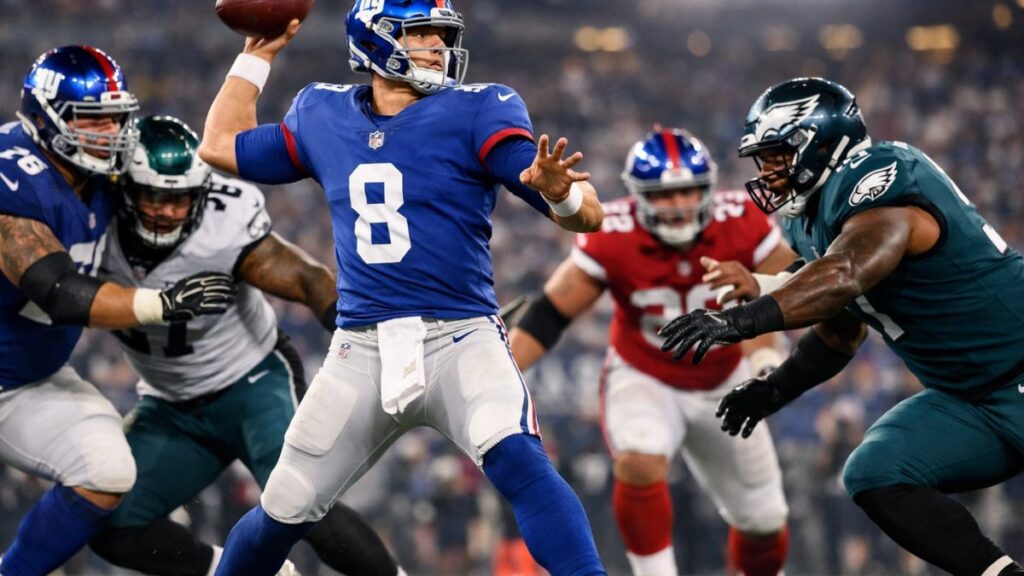
When it comes to analyzing NFL rivalries, the new york giants vs philadelphia eagles match player stats offer a goldmine of insights. This iconic NFC East clash is more than just a game—it’s a battle of strategy, skill, and standout performances.
Fans and analysts alike closely follow player stats to understand how each team performs under pressure. From quarterback efficiency to defensive dominance, these numbers reveal the real story behind the scoreboard.
In this guide, we’ll break down key player statistics, compare performances, and uncover what truly drives success in this rivalry.
Understanding New York Giants vs Philadelphia Eagles Match Player Stats
Before diving into numbers, it’s important to understand what player stats actually represent.
What Are Player Stats in NFL?
Player stats are measurable performance indicators that reflect how well an individual performs during a game.
Key Categories of Stats
-
Passing yards and touchdowns (QB performance)
-
Rushing yards (running backs)
-
Receiving yards (wide receivers and tight ends)
-
Tackles, sacks, and interceptions (defense)
-
Special teams contributions
These metrics help evaluate both individual and team performance.
Key Player Stats Breakdown: Giants vs Eagles
Let’s explore how players from both teams typically stack up during their matchups.
Quarterback Performance Comparison
| Metric | New York Giants QB | Philadelphia Eagles QB |
|---|---|---|
| Passing Yards | 220–280 | 250–320 |
| Touchdowns | 1–2 | 2–3 |
| Interceptions | 0–1 | 0–1 |
| Completion Rate | 60–65% | 65–70% |
The Eagles often hold a slight edge in quarterback efficiency, thanks to dual-threat capabilities.
Running Game Analysis
| Metric | Giants RB Unit | Eagles RB Unit |
|---|---|---|
| Rushing Yards | 90–130 | 120–160 |
| Yards per Carry | 4.0–4.5 | 4.5–5.2 |
| Touchdowns | 1 | 1–2 |
The Eagles typically dominate the ground game, using strong offensive line play.
Lanecr Explained: A Complete Guide to Its Meaning, Uses, and Practical Benefits
Defensive Player Stats That Shape the Game
Defense plays a huge role in determining the outcome of these matchups.
Key Defensive Metrics
-
Total tackles
-
Sacks
-
Forced fumbles
-
Interceptions
Defensive Comparison Table
| Metric | Giants Defense | Eagles Defense |
|---|---|---|
| Sacks | 2–3 | 3–5 |
| Interceptions | 0–1 | 1–2 |
| Total Tackles | 60–75 | 65–80 |
| Turnovers Forced | 1 | 2 |
The Eagles defense often applies more pressure, which can disrupt the Giants’ offensive rhythm.
Top Players to Watch in Giants vs Eagles Matchups
Certain players consistently influence the outcome of these games.
Giants Key Players
-
Quarterback leading offensive drives
-
Star running back controlling tempo
-
Defensive lineman creating pressure
Eagles Key Players
-
Dual-threat quarterback
-
Elite wide receiver making explosive plays
-
Defensive edge rusher dominating pass rush
These players often produce standout stats that define the game.
How Player Stats Influence Game Outcomes
Player stats are not just numbers—they directly impact results.
Example
-
A quarterback with high completion rate keeps drives alive
-
A running back with strong yardage controls the clock
-
Defensive sacks force turnovers and momentum shifts
Key Insight
Teams with balanced stats across offense and defense tend to win more consistently.
Advanced Metrics and Analytics
Modern NFL analysis goes beyond basic stats.
Important Advanced Metrics
-
QBR (Quarterback Rating)
-
EPA (Expected Points Added)
-
YAC (Yards After Catch)
-
Pressure Rate (Defense)
These metrics provide deeper insights into performance efficiency.
Pros and Cons of Using Player Stats
Pros
-
Clear performance evaluation
-
Helps predict future outcomes
-
Useful for fantasy football decisions
-
Enhances game understanding
Cons
-
Doesn’t capture full context
-
Can be misleading without analysis
-
Ignores intangibles like leadership
-
Game situations affect numbers
Common Mistakes When Analyzing Player Stats
Avoid these errors to get accurate insights:
-
Focusing only on star players
-
Ignoring defensive contributions
-
Overvaluing a single game’s performance
-
Not considering opponent strength
-
Misinterpreting advanced metrics
Best Practices for Analyzing Match Player Stats
To get the most value from stats, follow these tips:
1. Look at Trends, Not Just One Game
Consistency matters more than isolated performances.
2. Combine Basic and Advanced Metrics
Use both traditional stats and analytics for deeper insights.
3. Compare Head-to-Head Data
Focus on how players perform specifically against each other.
4. Consider Game Context
Weather, injuries, and home advantage all influence stats.
Practical Example: How Stats Predict Game Strategy
Let’s say:
-
Eagles QB has high rushing stats
-
Giants defense struggles against mobile QBs
Result: Eagles will likely use more designed QB runs.
Similarly:
-
Giants RB has strong yardage stats
-
Eagles defense allows rushing yards
Result: Giants may rely heavily on the ground game.
Why This Rivalry Produces Unique Stats
The Giants vs Eagles rivalry stands out because:
-
Divisional familiarity increases competition
-
Defensive schemes are tailored specifically
-
Players perform differently under rivalry pressure
This leads to unpredictable yet exciting stat lines.
Conclusion
The new york giants vs philadelphia eagles match player stats reveal far more than just numbers—they tell the story of one of the NFL’s most intense rivalries.
By analyzing quarterback efficiency, rushing dominance, defensive impact, and advanced metrics, you can gain a deeper understanding of each game. Whether you’re a fan, analyst, or fantasy football player, these insights help you stay ahead.
Ultimately, the team that balances offense and defense while capitalizing on key player performances usually comes out on top.
FAQs
1. What are the most important stats in Giants vs Eagles games?
Passing yards, rushing yards, sacks, and turnovers are the most influential.
2. Who usually performs better in these matchups?
Historically, the Eagles have had stronger offensive stats in recent seasons.
3. How do defensive stats impact the outcome?
Defensive stats like sacks and interceptions can change momentum instantly.
4. Are advanced metrics necessary for analysis?
Yes, they provide deeper insights beyond traditional statistics.
5. Can player stats predict future games?
They help identify trends, but outcomes still depend on game conditions.