Introduction
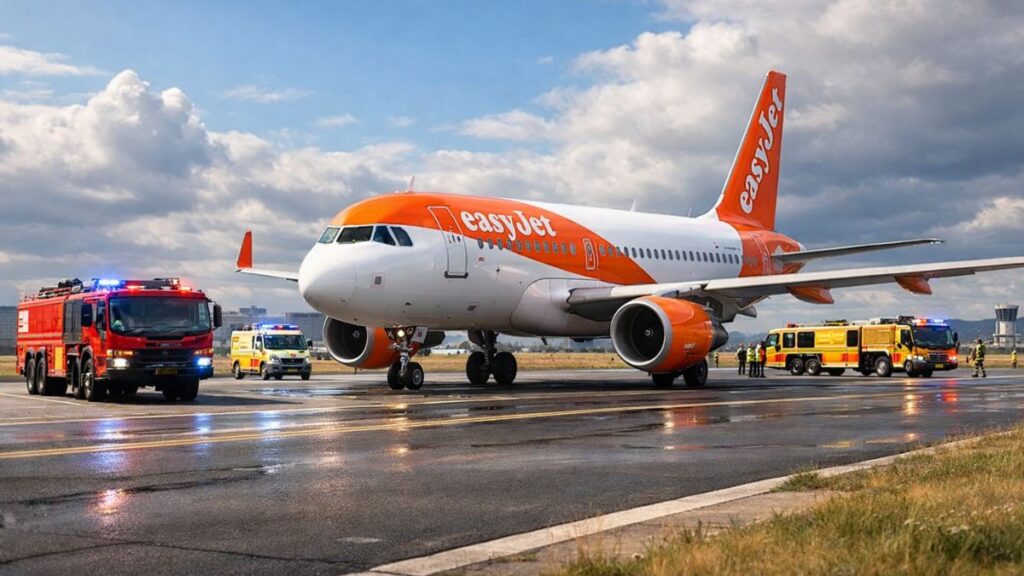
The easyjet flight u2238 emergency landing newcastle incident quickly caught public attention, raising questions about aviation safety and emergency procedures. While such events can sound alarming, they are often handled with precision and professionalism by trained crews.
In this article, we’ll break down what likely happened, why emergency landings occur, and what passengers should know if they ever experience a similar situation. Whether you’re a frequent flyer or an occasional traveler, understanding these scenarios can provide reassurance and clarity.
What Happened on EasyJet Flight U2238?
The easyjet flight u2238 emergency landing newcastle refers to an incident where an EasyJet aircraft was forced to divert and land at Newcastle Airport due to a technical or operational issue.
Although exact details can vary depending on official reports, emergency landings typically occur due to:
-
Technical faults detected mid-flight
-
Cabin pressure irregularities
-
Medical emergencies onboard
-
Weather-related concerns
-
Precautionary safety measures
In most cases, pilots make these decisions proactively to ensure passenger safety.
Why Newcastle Airport?
Newcastle Airport is a well-equipped regional hub with:
-
Advanced emergency response teams
-
Long runways suitable for commercial aircraft
-
Efficient ground handling services
These factors make it a reliable diversion point for flights in the UK airspace.
Tatavel: The Ultimate Guide to Modern Travel Planning, Booking, and Smart Journeys
Understanding Emergency Landings in Aviation
An emergency landing is not always a sign of imminent danger. In fact, it is often a preventive measure.
Types of Emergency Landings
| Type of Landing | Description |
|---|---|
| Precautionary Landing | Done when a potential issue is detected but not critical |
| Forced Landing | Required due to serious mechanical failure or loss of control |
| Emergency Diversion | Redirecting to a nearby airport for safety reasons |
Most modern aircraft systems are designed to detect problems early, allowing pilots to act before situations escalate.
How Common Are Emergency Landings?
Emergency landings are rare compared to the number of flights operating daily. However, when they do happen, they are usually handled safely.
What Happens During an Emergency Landing?
When an aircraft initiates an emergency landing, a series of well-coordinated steps take place.
Step-by-Step Process
-
Issue Detection
Pilots or onboard systems identify a potential problem. -
Communication with Air Traffic Control
The crew informs ATC and requests priority landing. -
Passenger Preparation
Cabin crew brief passengers and ensure safety positions if needed. -
Emergency Services Deployment
Ground teams prepare for landing with fire and medical units. -
Safe Landing Execution
Pilots perform a controlled landing using trained procedures. -
Post-Landing Inspection
Aircraft is checked and passengers are assisted.
Key Safety Measures
-
Multiple backup systems in aircraft
-
Highly trained pilots and crew
-
Strict international aviation regulations
Key Safety Features in Modern Aircraft
Modern commercial aircraft, including those used by EasyJet, are built with multiple layers of safety.
Core Safety Systems
| Feature | Purpose |
|---|---|
| Redundant Systems | Backup systems ensure functionality if one fails |
| Advanced Sensors | Detect issues early in flight |
| Cabin Pressure Systems | Maintain safe breathing conditions |
| Fire Suppression Systems | Handle onboard fire risks |
These systems significantly reduce the chances of serious incidents.
Passenger Experience During the Incident
For passengers, an emergency landing can feel stressful. However, airline crews are trained to keep situations calm and controlled.
What Passengers Typically Experience
-
Clear announcements from the captain
-
Instructions from cabin crew
-
Possible change in flight path
-
Emergency vehicles visible upon landing
Despite the tension, most passengers remain safe and unharmed.
Delta DL39 Return to LAX: Flight Details, Route Insights, and What Travelers Should Know
Pros and Cons of Emergency Landings
Pros
-
Ensures passenger safety
-
Prevents escalation of technical issues
-
Demonstrates effective safety protocols
-
Allows quick response from emergency teams
Cons
-
Can cause panic or anxiety
-
Leads to travel delays
-
May result in flight cancellations
-
Operational costs for airlines
Common Mistakes Passengers Make
During incidents like the easyjet flight u2238 emergency landing newcastle, passengers sometimes react incorrectly.
Avoid These Mistakes
-
Ignoring crew instructions
-
Panic behavior or rushing
-
Using mobile devices when restricted
-
Not paying attention to safety briefings
Staying calm and attentive is crucial.
Best Practices for Passengers in Emergencies
Being prepared can make a big difference.
What You Should Do
-
Always listen carefully to safety briefings
-
Follow crew instructions immediately
-
Keep your seatbelt fastened when seated
-
Stay calm and composed
Quick Safety Checklist
| Action | Importance Level |
|---|---|
| Follow crew instructions | Critical |
| Stay seated when told | High |
| Keep calm | High |
| Avoid panic | Critical |
How Airlines Handle Such Incidents
Airlines follow strict global protocols to manage emergency landings.
Post-Incident Actions
-
Technical inspection of aircraft
-
Passenger assistance and rebooking
-
Official investigation if required
-
Reporting to aviation authorities
These steps ensure transparency and continuous improvement.
UA82 Emergency: What Happened, Why It Occurred, and What Passengers Should Know
Real-Life Example Insights
Incidents like the easyjet flight u2238 emergency landing newcastle highlight how well aviation systems work under pressure.
Key takeaways include:
-
Early detection prevents serious outcomes
-
Crew training is highly effective
-
Emergency infrastructure at airports is robust
Conclusion
The easyjet flight u2238 emergency landing newcastle serves as a reminder of how aviation safety systems operate efficiently. While the term “emergency landing” may sound alarming, it often reflects a proactive decision to ensure safety.
Modern aircraft, trained crews, and advanced airport systems all work together to protect passengers. For travelers, the best approach is simple: stay informed, stay calm, and trust the process.
FAQs
1. What caused the EasyJet flight U2238 emergency landing in Newcastle?
The exact cause may vary, but such landings are usually due to technical checks, safety concerns, or medical emergencies.
2. Are emergency landings dangerous?
Most are precautionary and handled safely with minimal risk to passengers.
3. What should passengers do during an emergency landing?
Follow crew instructions, stay calm, and remain seated with your seatbelt fastened.
4. How often do emergency landings happen?
They are relatively rare compared to the number of flights worldwide.
5. Is flying still safe after incidents like this?
Yes, aviation remains one of the safest modes of transport due to strict safety standards.